

The world in 2026 looks a bit different than it did just a few years ago. We are living in a fast-paced, highly digital era where the need for grounding and genuine human connection has never been higher. As we navigate this landscape, wellness has shifted from being a "luxury" to a fundamental necessity for survival. Within this shift, sound therapy has emerged from the fringes of alternative medicine to become a respected, scientifically-supported modality for healing.
But as the popularity of singing bowls and gongs grows, so does the noise. You might be asking yourself: Is sound healing certification actually worth it? Or can I just buy a bowl and start playing?
At KIN Unified Healing Institute of Sound, we believe the transition from a curious enthusiast to a professional practitioner requires more than just an instrument; it requires a deep, reverent understanding of frequency, the human nervous system, and the ethics of space-holding. Whether you are a healthcare professional, a dedicated parent, a teacher, or a yoga instructor, understanding the truth about a sound therapy career is the first step toward a transformative journey.
Putting the Humanity Back Into Healing
In a world that has become reliant on external sources of healing like medical devices, supplements, drugs, and prescriptions, it’s easy to forget how much healing happens through human connection. The heart is actually the most powerful healing tool.
Sound therapy is one way we bring that connection back into the room. Not by replacing modern medicine, but by restoring the human parts of care: presence, listening, regulation, and safe co-regulation in community. This is a big part of what we mean when we say we’re putting the humanity back into healing through sound therapy.
The Professionalization of Sound Healing in 2026
In 2026, the wellness industry has moved toward higher standards of accountability. While it is true that you don’t technically need a license to play a singing bowl in your living room, the professional landscape is different. If you intend to work in clinical settings, schools, or established wellness centers, sound healing certification is often the primary credential that opens those doors.
Certification acts as a bridge. It bridges the gap between "making nice sounds" and "facilitating a therapeutic outcome." When you invest in comprehensive sound therapy courses, you aren't just paying for a certificate; you are gaining a mastery of the science of resonance and the art of holding a safe container for others.

Why Certification Matters: Credibility and Safety
One of the biggest misconceptions in the wellness world is that sound healing is "passive" and therefore "harmless." While sound is inherently gentle, it is also powerful. Frequencies can trigger deep emotional releases, physical detoxification, and intense shifts in the nervous system.
A professional certification teaches you:
- Contraindications: Knowing when not to use certain frequencies (e.g., for people with epilepsy, pacemakers, or during specific stages of pregnancy).
- Ethics and Boundaries: How to support a client who is having an emotional breakthrough without overstepping your role.
- Acoustic Science: Understanding brainwave entrainment and how specific hertz levels affect the human anatomy.
For those looking at how to become a sound healer, credibility is your most valuable currency. In a market where anyone can call themselves a "healer," a certification from a recognized institute like KIN Unified Healing tells your clients that you have done the work, respected the lineage, and prioritized their safety.
Sound Therapy for Healthcare Workers: A New Tool for the Frontlines
The burnout crisis among healthcare workers has led many to seek integrated methods for both self-care and patient support. Nurses, therapists, and doctors are increasingly incorporating sound into clinical environments to reduce patient anxiety and manage chronic pain.
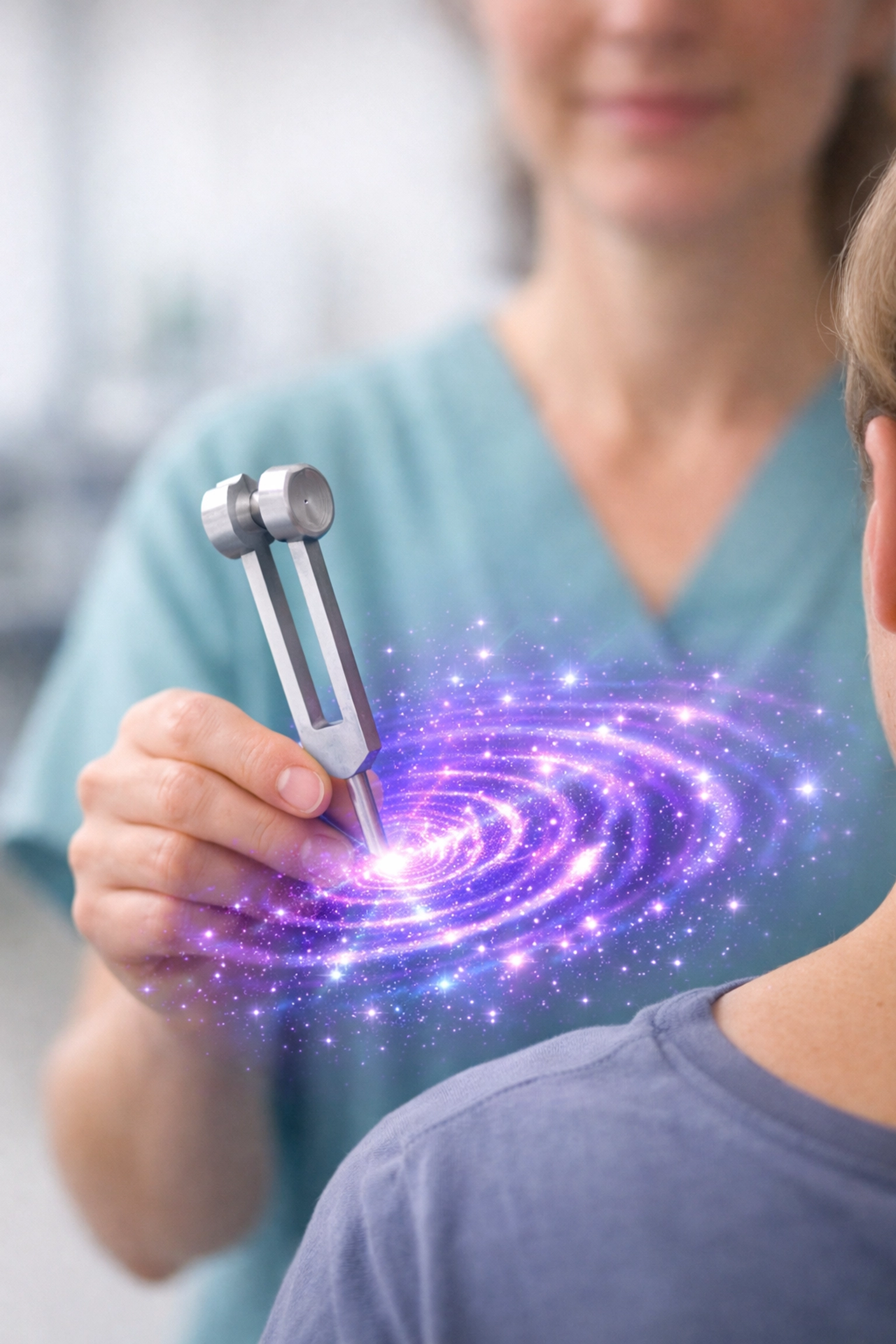
Imagine a post-operative recovery room where the harsh beeps of machines are softened by the grounding hum of Tibetan bowls. Or a therapy session where a tuning fork is used to help a patient move out of a "fight or flight" state and into "rest and digest." For healthcare professionals, sound therapy is an evidence-based tool that complements traditional medicine, making a certification a powerful addition to a medical resume.
A Sanctuary for the Home: Parents of Neurodivergent Children
For parents of neurodivergent children, including those with autism, ADHD, or sensory processing sensitivities, sound can be a life-changing communication tool. Traditional environments are often too loud, too bright, or too unpredictable.
Sound therapy offers a way to regulate the nervous system in a controlled, soothing way. Many parents are pursuing sound healing certification not to start a public business, but to become the "healer in the home." Using tools like ocean drums or soft chimes, parents can help their children transition between activities, reduce meltdowns, and improve sleep quality.
When a parent understands the "why" behind the sound, they can tailor the experience to their child's specific sensory needs, creating a harmonious home environment that supports the whole family.
Tuning into the Classroom: The Role of Sound for Teachers
Teachers in 2026 are facing unprecedented challenges with student focus and emotional regulation. The "modern classroom" is often a high-stress environment for both the educator and the student.
By integrating sound into the school day, teachers can facilitate "brain breaks" that actually work. A simple 3-minute sound bath at the start of class can sync the students' energy, making them more receptive to learning. Teachers who take sound therapy courses learn how to use rhythm and frequency to improve classroom management and foster a sense of community. It’s about more than just quiet time; it’s about creating a resonant field where every student feels seen and heard.

Elevating the Practice: Sound Therapy for Yoga Teachers
For yoga teachers, the market is highly competitive. Certification in sound healing is one of the most effective ways to differentiate your offerings. Adding a live sound component to a Yin or Restorative class transforms a standard physical practice into a multi-sensory journey.
Yoga teachers often find that their students reach a deeper state of Savasana when supported by crystal sound bowls. However, there is a big difference between placing a bowl at the head of a mat and understanding how to play it in a way that aligns with the chakras or the flow of the asanas. Professional training allows yoga teachers to weave sound seamlessly into their sequences, providing a more profound healing experience that keeps students coming back.
How to Become a Sound Healer: Your 2026 Roadmap
If you feel the call to this path, the journey is as much about personal growth as it is about professional skill. Here is the truth about building your career:
1. Start with the "Why"
Are you looking to pivot careers entirely, or are you looking to enhance your current profession? Knowing your "why" will help you choose the right level of certification.
2. Choose the Right Instruments
You don't need every instrument at once. Start with what resonates with you. You might find your heart drawn to the earthy tones of drums or the ethereal ring of handpans. Visit our collections to explore what speaks to your soul.
3. Enroll in Comprehensive Training
Look for programs that offer a mix of theory, hands-on practice, and mentorship. At KIN, we offer a full schedule of classes and certifications designed to meet you where you are.
4. Practice, Practice, Practice
Certification gives you the tools, but practice gives you the wisdom. Start by offering sessions to friends, family, or your local community to find your unique "voice" as a practitioner.
The Financial Truth: Is the Investment Worth It?
Let’s be real, certification costs money and time. In 2026, the price of a comprehensive program can range from $1,000 to $5,000 depending on the depth and mentorship involved.
Is it worth it? Yes: if you are committed to the path.
A certified sound healer can charge anywhere from $75 to $250 for a private session, and group sound baths often bring in significant revenue for wellness studios. If you are a teacher or healthcare worker, the "ROI" (return on investment) might not be strictly financial; it’s found in the reduced stress, the improved outcomes for your patients or students, and the profound sense of purpose you feel in your work.
Conclusion: Finding Your Resonance
The "truth" about a sound therapy career is that it isn't a get-rich-quick scheme. It is a heart-centered profession that requires dedication, empathy, and a lifelong commitment to learning.
In a world that is often out of tune, becoming a certified sound healer allows you to be the "tuning fork" for those around you. Whether you are helping a patient find peace, a child find calm, or a yoga student find depth, your work with sound has the power to ripple out and create a more harmonious world.
Are you ready to find your frequency? Explore our sound therapy offerings and join us at the KIN Unified Healing Institute of Sound. Your journey into the healing power of frequency starts with a single vibration.
